您
您
pro. you (respectful form)

| 80% | 120% |
Register to get less ads.
Registration is free and once you are registered you use this word in your private vocabulary lists.
Then you can train your own vocabulary either here or using one of our applications for PC, iOS or Android.
Registration is free and once you are registered you use this word in your private vocabulary lists.
Then you can train your own vocabulary either here or using one of our applications for PC, iOS or Android.


Simplified Chinese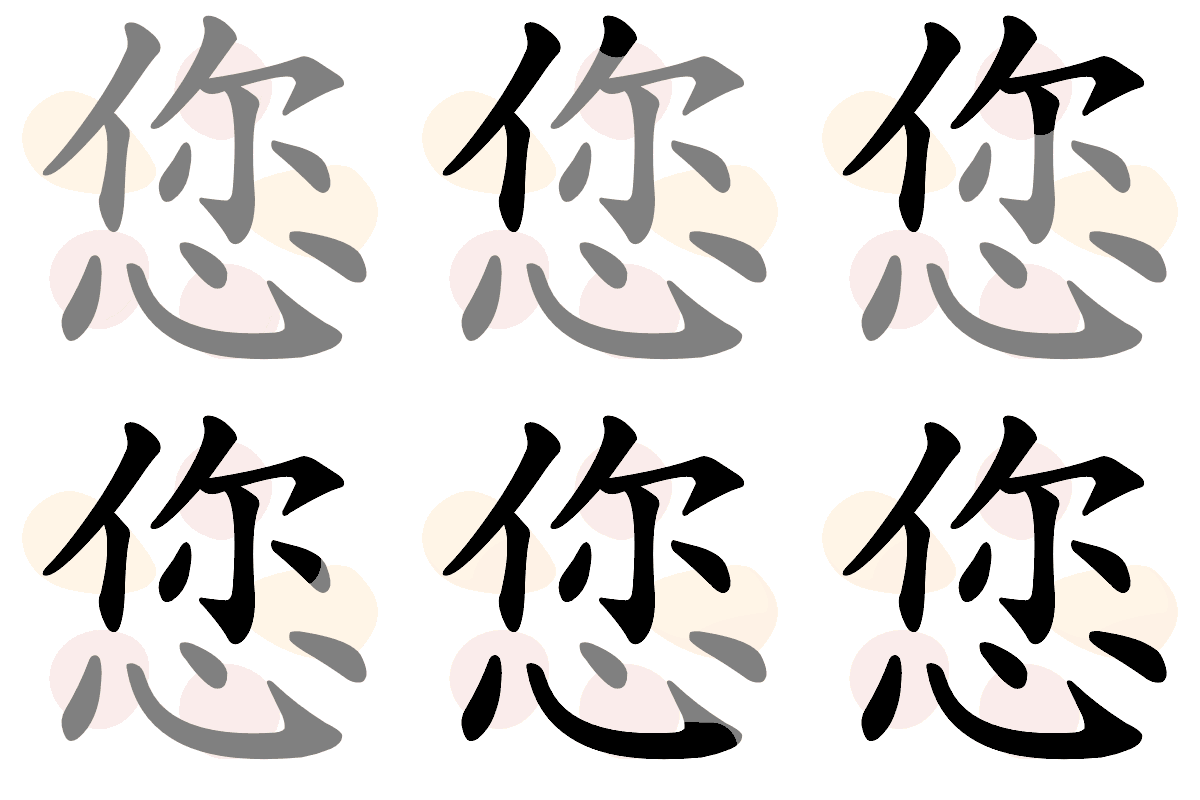 Traditional Chinese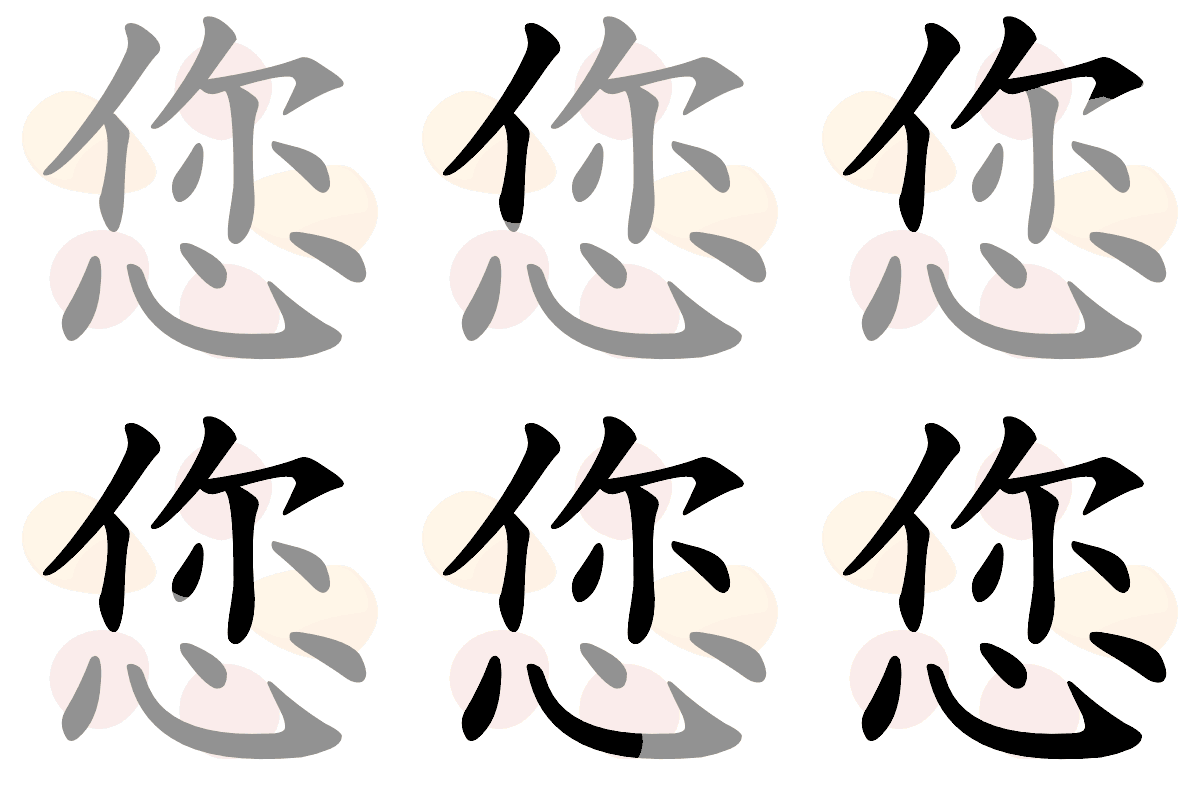 |
Simplified stroke orders are based on the 'Standard of National Commonly-used Mandarin Chinese Characters (现代汉语通用字笔顺规范)', issued by the China National Language and Character Working Committee (国家语言文字工作委员会) on April 7th 1997. Traditional stroke orders are based on information issued by the Taiwan Ministry of Education.
您 您 phr. Would you like anything else? |
谢 謝 phr. Thank you, hope you'll come again. |
您 您 phr. Would you like to try it? ("you" in respectful form) |
请 請 phr. Please read it again. |
您 您 phr. Where do you want to go? |
您 您 phr. What would you like to drink? |
不 不 phr. I don't deserve it, you praise me too much, my Chinese is still elementary. |
您 您 phr. Hello (Nin is used to show respect to elder people or those of higher status) |
太 太 phr. Thank you so much! |
对 對 phr. Sorry for troubling you! |
您 您 phr. Thank you for the trouble you've taken. |
这 這 phr. Here is your room key. |
这 這 phr. Here is your room card. |
您 您 phr. Can you tell me where my seat is? |
真 真 phr. So sorry for keeping you waiting for such a long time. |
祝 祝 phr. I wish you good healthy and a long life. |
您 您 phr. (with respect and politeness) What's your surname? |
您 您 phr. mind your way; take care |
您 您 phr. (with politeness) Who are you? |
谢 謝 phr. Thank you, sir. |
我 我 phr. I really appreciate it.; Thank you very much. |
老 老 phr. Teacher, hello! (formal and polite) |
您 您 phr. (with respect) Who are you looking for? |